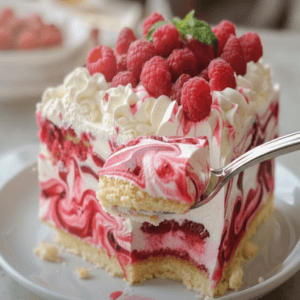
Step 1: Preheat and Prepare the Pans
Preheat your oven to 350°F (175°C). Grease two 9-inch round cake pans thoroughly with butter or cooking spray, then line the bottoms with parchment paper circles. Greasing and lining ensures clean, effortless release from both pans.
Step 2: Mix the Dry Ingredients
Sift together the flour, baking powder, and salt into a medium bowl. Sifting removes lumps and aerates the flour, contributing to a lighter, more even crumb in the finished cake. Set aside.
Step 3: Cream the Butter and Sugar
In a large mixing bowl, beat the softened butter and granulated sugar together with an electric mixer on medium-high speed for 3 to 4 minutes, until the mixture is noticeably pale, light, and fluffy. This step is more important than it might seem — properly creamed butter and sugar incorporate air into the batter, which is what gives the cake its tender, fine-grained texture.
Step 4: Add Eggs and Vanilla
Add the eggs one at a time, beating well after each addition and scraping down the sides of the bowl between each egg. Add the vanilla extract with the final egg and mix until fully incorporated. The mixture may look slightly curdled at this point — this is normal and will resolve once the dry ingredients are added.
Step 5: Alternate Dry Ingredients and Milk
With the mixer on low speed, add the dry ingredients and milk in alternating additions — beginning and ending with the flour mixture. Add approximately one third of the flour, then half the milk, then another third of the flour, then the remaining milk, then the final third of the flour. Mix only until just combined after each addition. Overmixing at this stage develops gluten and produces a tough, dense crumb rather than the light, tender texture you are working toward.
Step 6: Bake the Cake Layers
Divide the batter evenly between the two prepared pans, smoothing the tops with a spatula. Bake for 25 to 30 minutes, until a toothpick inserted into the center of each layer comes out clean or with just a few moist crumbs. Do not open the oven door before the 22-minute mark. Allow the layers to cool in their pans for 10 minutes, then turn them out onto wire racks and cool completely — at least 1 hour — before frosting.
Step 7: Make the Raspberry Swirl Sauce
Combine the raspberries, sugar, and lemon juice in a small saucepan over medium heat. Stir gently as the raspberries begin to break down and release their juice. Simmer for 8 to 10 minutes, stirring occasionally, until the sauce has thickened enough to coat the back of a spoon. Pour the sauce through a fine mesh strainer into a bowl, pressing it through with the back of a spoon to remove all the seeds. What remains is a smooth, glossy, intensely flavored raspberry coulis. Allow it to cool completely to room temperature — or refrigerate briefly — before using. A warm sauce will melt the buttercream on contact.
Step 8: Make the Vanilla Buttercream
Beat the softened butter with an electric mixer on medium-high speed for 2 to 3 minutes until very pale, light, and creamy. Reduce to low speed and gradually add the powdered sugar one cup at a time, beating well between each addition. Add the vanilla extract and 3 tablespoons of heavy cream, then increase to high speed and beat for a final 2 to 3 minutes until the buttercream is exceptionally light, fluffy, and smooth. If the buttercream is too stiff, add the fourth tablespoon of heavy cream. If too soft, add powdered sugar a tablespoon at a time until it reaches a firm, pipeable consistency.
Step 9: Assemble the Cake
Place the first cooled cake layer on a serving plate or cake stand. Spread a generous, even layer of buttercream across the top surface. Drizzle a layer of the cooled raspberry sauce over the buttercream and spread it lightly with the back of a spoon — do not fully mix the two together. The contrast between the white buttercream and the raspberry swirl is part of what makes the interior of this cake so visually striking when sliced. Place the second cake layer on top, pressing gently to level it.
Step 10: Apply the Crumb Coat
Spread a very thin layer of buttercream over the entire surface of the assembled cake — top and sides — using an offset spatula. This crumb coat traps any loose cake crumbs and seals the surface before the final frosting layer is applied. Refrigerate the crumb-coated cake for 15 minutes until the coating is firm to the touch.